Sealcoating vs. Asphalt Overlay: What’s the Difference & Which Do You Need?
When homeowners and property managers notice cracks, fading, or surface wear on their pavement, two common solutions come to mind: sealcoating and asphalt overlay. While both improve the look and longevity of your driveway or parking lot, they are completely different services with different purposes, costs, and long-term benefits.
Before moving forward with maintenance, it’s important to know which option fits your pavement needs. Below is a simple breakdown to help you make the best decision for your property.
What Is Sealcoating?
Sealcoating is a protective topcoat applied over existing asphalt. It acts like sunscreen for your pavement, shielding it from UV rays, oil spills, water penetration, oxidation, and general surface wear.
Sealcoating does
not repair structural issues; instead, it preserves what you already have.
Best For:
- Asphalt that is still structurally sound
- Driveways or lots with light surface wear
- Preventative maintenance
- Darkening and refreshing faded pavement
Sealcoating Benefits:
- Extends pavement lifespan
- Enhances appearance with a smooth black finish
- Helps prevent minor cracks from becoming major damage
- Cost-effective and quick to apply
What Is an Asphalt Overlay?
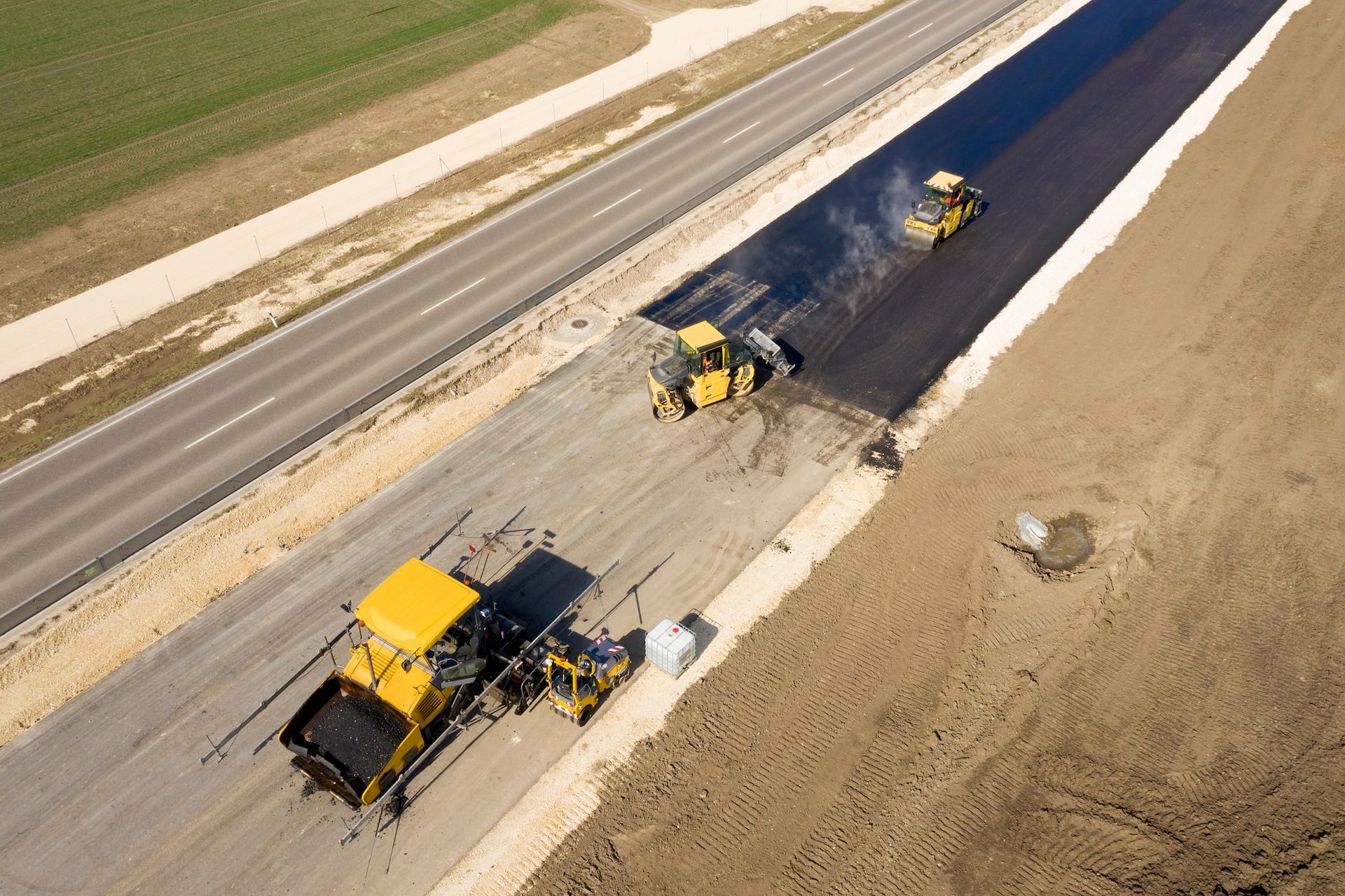
An asphalt overlay is much more than a surface treatment; it adds a brand-new layer of asphalt (typically 1.5"–2" thick) on top of the existing pavement. This restores structural integrity, improves drainage, and corrects moderate cracking and surface damage.
Best For:
- Pavement with moderate cracking
- Uneven or low-spot areas
- Lots or driveways with recurring potholes
- Aging pavement that needs reinforcement
Overlay Benefits:
- Adds a fresh, durable asphalt layer
- Extends pavement life by 10–15 years
- Improves structural strength
- Corrects minor grade/drainage issues
- Provides a “like-new” appearance
Key Differences at a Glance
• Sealcoating = Protection
A surface-level treatment that maintains and preserves asphalt.
• Overlay = Restoration
A structural fix that adds a new asphalt layer for extended longevity.
Sealcoating is inexpensive & fast, ideal for maintenance.
Overlay is a larger investment, ideal for aging or moderately damaged pavement.
Which Option Is Right for You?
- Choose
sealcoating if your asphalt is in good shape and you want to protect it and improve appearance.
- Choose an overlay if your pavement has visible wear, cracking, or structural issues but isn’t damaged enough to require full replacement.
Both services help extend the life of your driveway or parking lot, and choosing the right one can save you money and prevent larger repairs later.