Asphalt vs. Concrete Driveways in Brooksville, FL: Which Is Right for You?
Choosing the right driveway material is one of the most practical decisions a Brooksville, FL, homeowner can make. Florida's heat, UV intensity, seasonal heavy rains, and the sandy-clay soil common throughout Hernando County all affect how a driveway holds up over time. This guide breaks down both materials so you can weigh the trade-offs before calling an asphalt paving contractor in Brooksville, FL, for a quote.
How Does Florida's Climate Affect Asphalt and Concrete Driveways?
Brooksville sits in Hernando County, where summer temperatures push into the upper 90s, UV radiation is intense, and afternoon thunderstorms can dump several inches of rain in hours. Understanding these conditions helps you ask the right questions when consulting any paving professional.
Asphalt in the Florida Heat
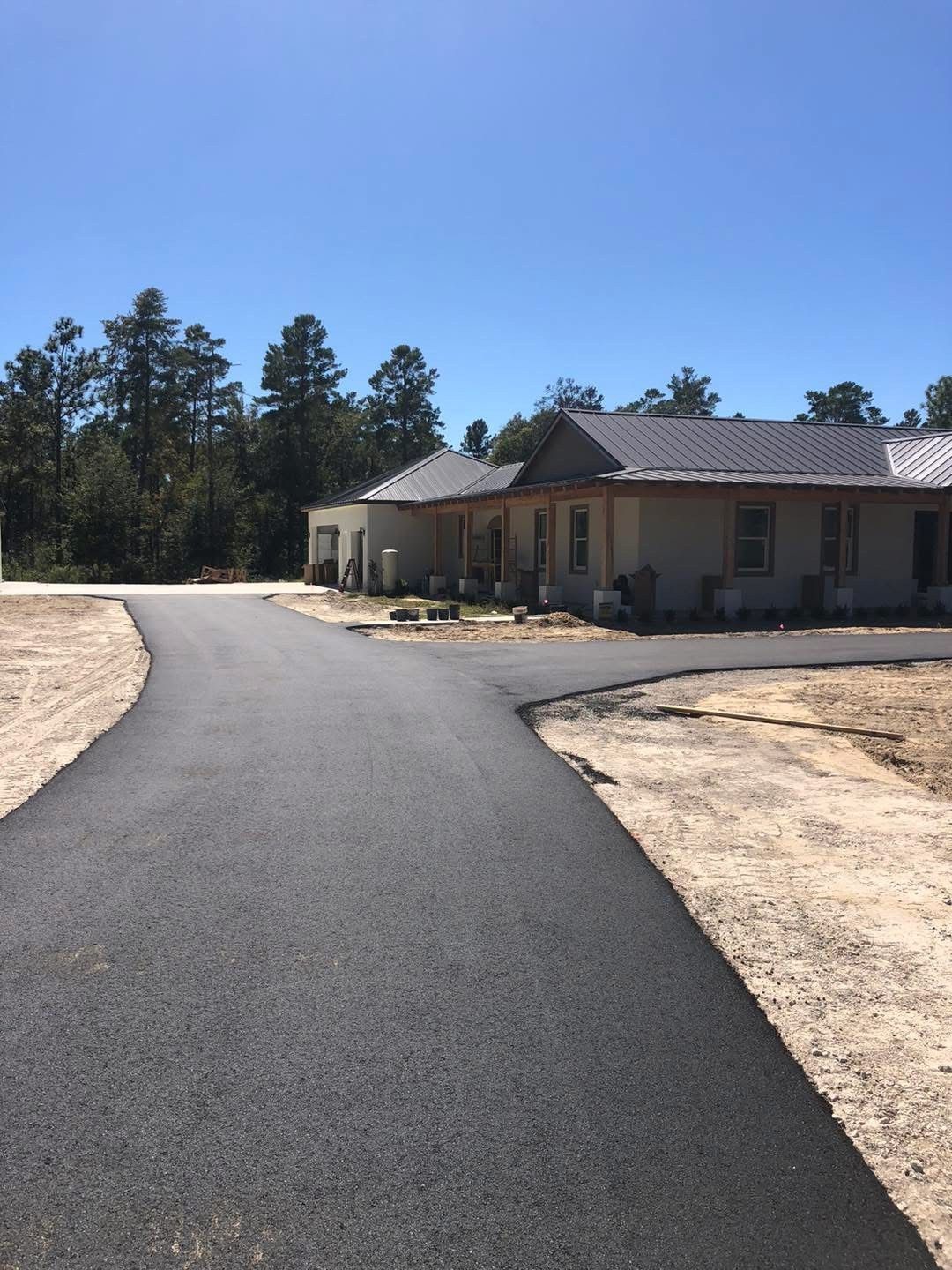
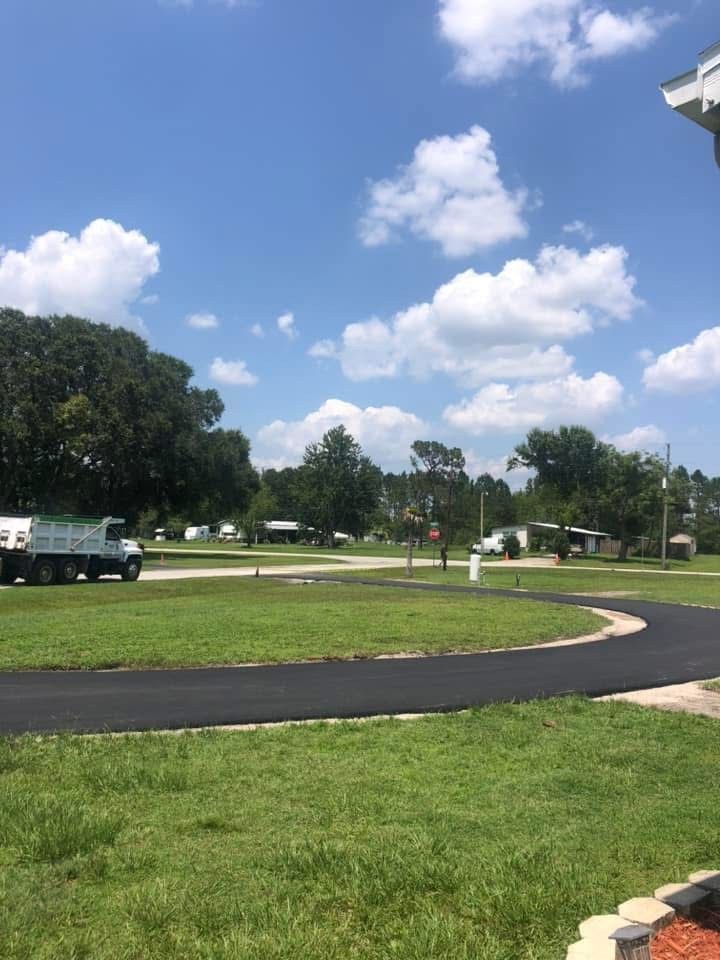
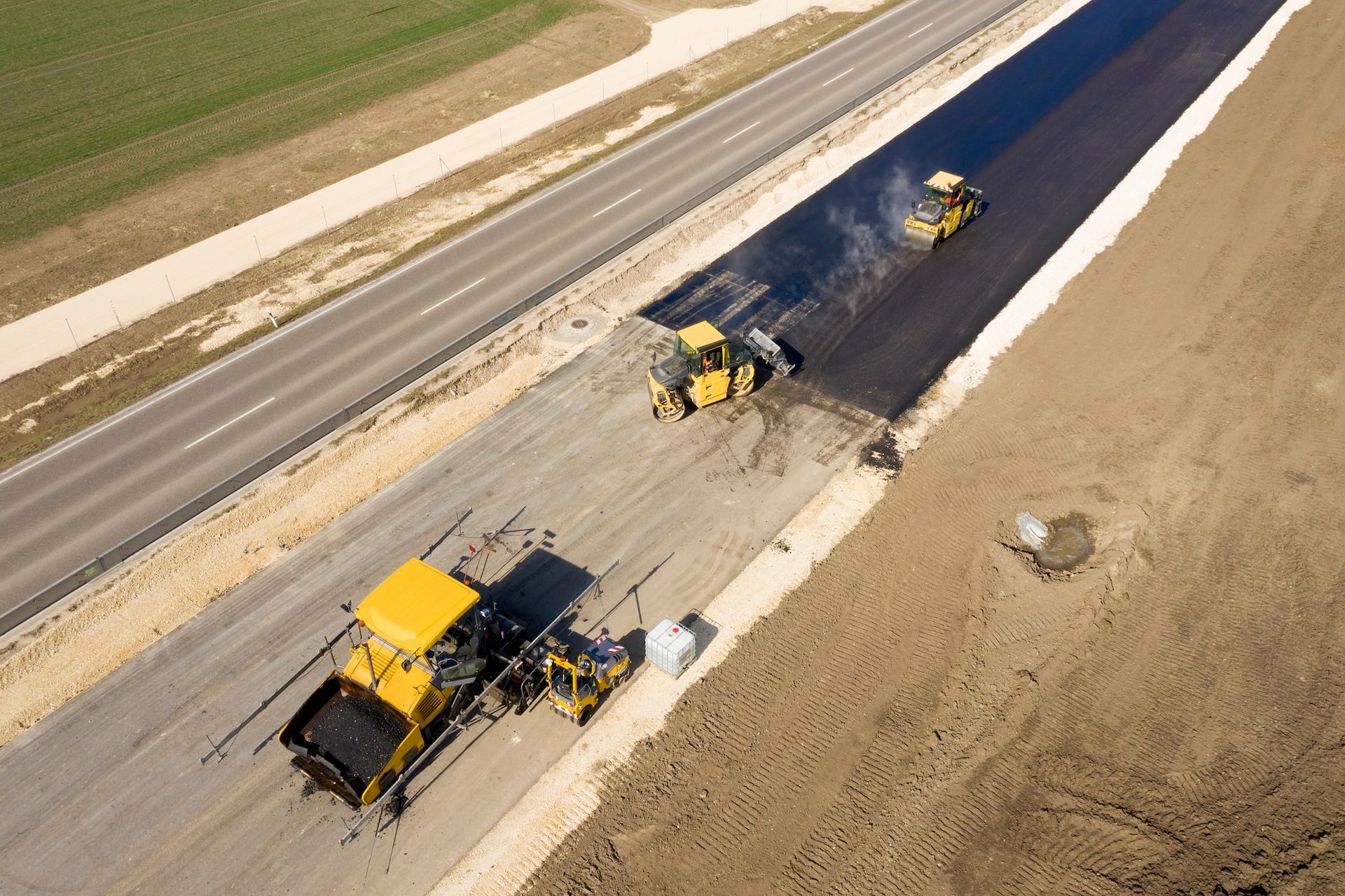
Asphalt is flexible, which is a significant advantage on the shifting soils around Brooksville. When the ground moves slightly, asphalt flexes rather than cracks. However, UV rays gradually oxidize the surface, causing it to dry out and become brittle. Any experienced asphalt paving contractor in Brooksville, FL, will recommend sealcoating every two to four years to replenish the surface and block UV damage.
Concrete in the Florida Sun
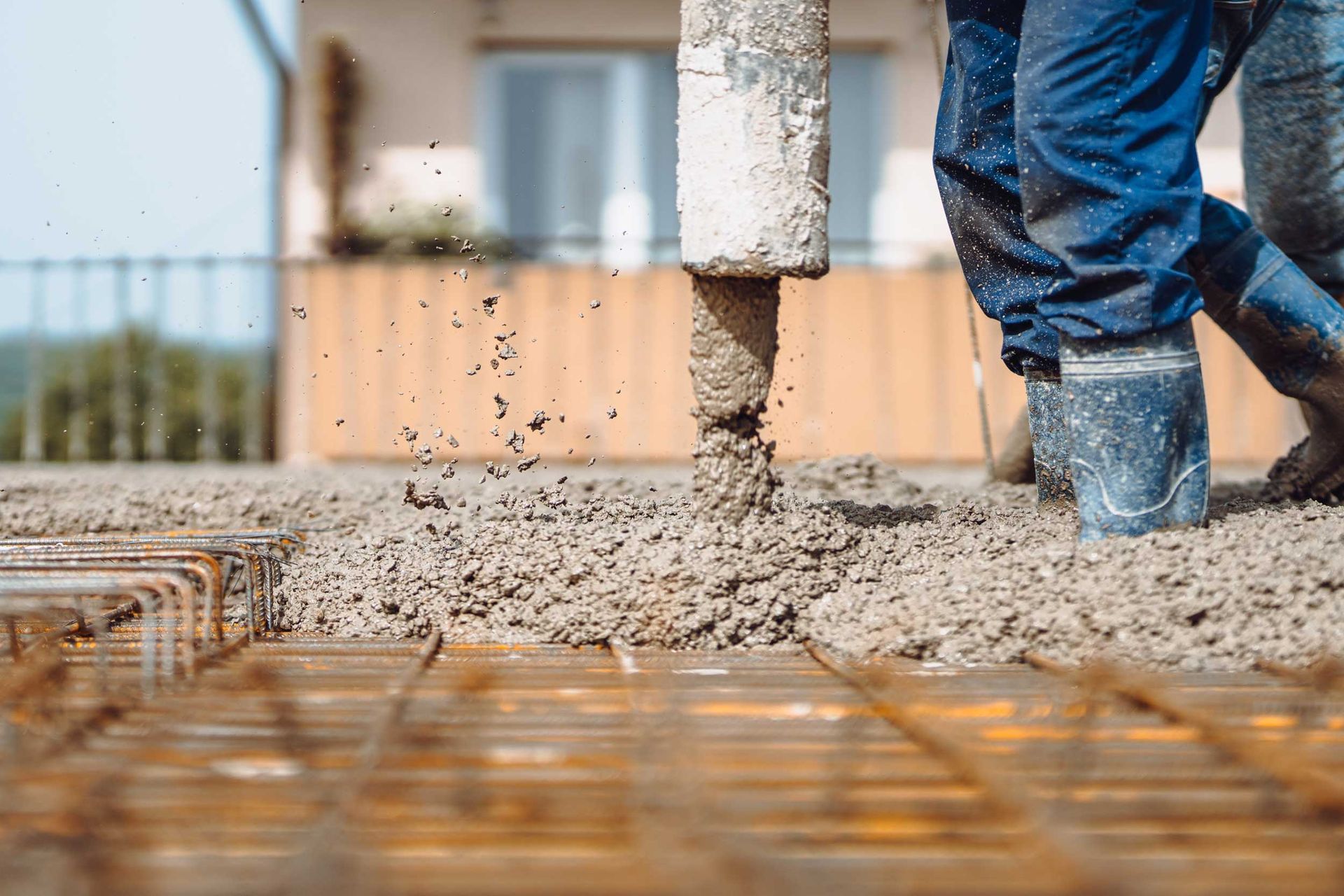
Concrete does not soften in the sun the way asphalt can, but its rigidity is a trade-off. When soils shift or tree roots apply pressure underneath, concrete can crack, and repairs are more involved and often more visible than patching asphalt. On the positive side, concrete's lighter color reflects heat, which is a comfort advantage for anyone walking barefoot to the car in July.
Which Driveway Material Lasts Longer in Hernando County?
Asphalt driveways typically last 20 to 30 years with consistent maintenance. Staying on schedule with sealcoating and addressing small cracks early is especially important during Hernando County's rainy season, when water infiltrating unprotected asphalt can accelerate deterioration.
Concrete driveways can last 30 to 50 years under favorable conditions. That longer lifespan is appealing, but it depends on a stable, well-compacted base. In areas with looser or more expansive soils, common in parts of Brooksville and the Spring Hill corridor, the risk of cracking increases without careful site preparation.
Maintenance Needs: What Each Material Demands over Time
Asphalt maintenance typically includes sealcoating every two to four years, crack filling before the rainy season, and periodic resurfacing when the base remains structurally sound.
Concrete maintenance typically includes joint sealing to prevent water infiltration beneath slabs, stain treatment since concrete shows oil drips and tire marks more readily, and crack repair, which can be harder to blend visually.
Asphalt tends to require more frequent but less expensive upkeep. Concrete tends to have lower routine maintenance costs but higher repair costs when problems arise. A contractor familiar with local conditions can help you weigh these trade-offs honestly.
Upfront Investment vs. Long-Term Value
Asphalt typically carries a lower upfront cost, making it accessible for homeowners who want a professional surface without the higher initial outlay concrete often requires. Concrete generally costs more to install but may require fewer maintenance interventions over its longer lifespan.
If a lower initial investment and easier short-term repairs suit your situation, asphalt is a practical choice. If you prefer a material that needs less frequent attention over decades and you have a stable base, concrete may offer better long-term value. An in-person evaluation from an asphalt paving contractor in Brooksville, FL, who understands local soil and drainage conditions is the most reliable way to determine which material fits your property.
Drainage Considerations for Brooksville Properties
Heavy summer rains can overwhelm driveways not designed with runoff in mind. Both asphalt and concrete can be graded and sloped to direct water away from structures. Permeable asphalt options also exist for properties where water absorption is a priority. In either case, the grading plan matters as much as the material choice.
Does Asphalt Get Too Soft in Florida Summers?
Newly installed asphalt can feel slightly tacky in peak summer heat but firms up within a few days of curing. Keeping vehicles from sitting in the same spot on very hot days during the first season after installation is a simple precaution.
How Often Does Asphalt Need to Be Sealed in Florida?
In Florida's climate, sealcoating every two to four years is standard. Staying closer to every two years may extend pavement life more effectively given Hernando County's UV exposure and rainfall. An asphalt paving contractor in Brooksville, FL, can help you set up a maintenance schedule so sealing intervals stay on track.
Can I Add Decorative Finishes to Either Material?
Concrete offers more decorative flexibility, including stamped patterns, colored finishes, and exposed aggregate textures. Asphalt can receive color sealers and decorative edging, though its design range is more limited. If curb appeal and customization are priorities, concrete tends to provide more choices.
Ready to Choose? Get a Free Estimate Serving Brooksville, FL
Both asphalt and concrete can make an excellent driveway in Brooksville, FL, when the right material is matched to the right property. The team at Gator State Paving & Masonry has been serving the Brooksville area with professional paving and concrete work and can evaluate both options for your specific lot.
To explore asphalt driveway options, visit the residential asphalt paving service page. For concrete work, see the
concrete service page. When you are ready to talk through your project,
reach out for a free estimate or call
352-263-0658 today. The team is available seven days a week to answer questions and schedule a site visit.